Product Center
Send Us A Message
‹
›
PRODUCT PARAMETERS
Overview
1J79 is a nickel-ferromagnetic alloy with a nickel content of about 80% and an iron content of about 20%. In 1914, Gustav Ehrmann, a physicist at Bell Telephone Laboratories, invented the alloy. Due to its high magnetic permeability, 1J79 is widely used as a magnetic core material for electrical and electronic devices, as well as a magnetic shielding material for shielding magnetic fields.
In commercial permalloy, its relative permeability is usually around 100,000, while the relative permeability of ordinary steel is only thousands. In addition to high permeability, 1J79 has other magnetic properties such as low coercivity, near zero magnetostriction, and significant anisotropic magnetoresistance. Low magnetostriction is very important for industrial applications because it allows 1J79 to be used in thin films that would otherwise result in large changes in magnetic properties under variable stress.
At 80% nickel concentration, Permalloy typically has a face-centered cubic crystal structure with a lattice constant of about 0.355 nm. However, one disadvantage of Permalloy is that it is not very malleable, so for applications requiring complex shapes, such as magnetic shielding, it is often made of other alloys with high magnetic conductivity, such as mu metal.
Nevertheless, 1J79 is still widely used in transformer pieces and magnetic recording heads. In addition, 1J79 is also widely used in the radio electronics industry, precision instruments, remote control and automatic control systems and other fields.
Limiting Chemical Composition, %
Nickel...................................................................................................................................................................................78.50-80.00
Molybdenum............................................................................................................................................................................3.80-4.10
Manganese..............................................................................................................................................................................0.60-1.10
Carbon......................................................................................................................................................................................0.03 max.
Copper......................................................................................................................................................................................0.20 max.
Iron........................................................................................................................................................................................13.03-16.60
Phosphorous............................................................................................................................................................................0.02 max.
Silicon.......................................................................................................................................................................................0.30-0.50
Sulfur.........................................................................................................................................................................................0.02 max.
Physical Constants
Tensile Properties
Heat treatment
Intermediate annealing: In order to eliminate all strain and return the alloy to a soft state suitable for further cold rolling or drawing, forming, bending or similar operations, annealing at 1020 to 1080 ° C for no more than 1 hour. Because high-nickel, high-permeability alloys readily absorb carbon, sulfur, oxygen, and other contaminants from combustion furnace gases, annealing should be carried out in dissociated ammonia, hydrogen, vacuum, or inert gas atmospheres during the process.
Final annealing: In order to obtain maximum softness and best magnetoelectric properties, the cold-deformed 1J79 alloy should be annealed at 1180 ° C for 3 to 5 hours in an oxygen-free dry hydrogen atmosphere with a dew point below -40 ° C, and then tempered.
Oil, grease, paint and all other contaminants must be removed before annealing. During hydrogen annealing, the individual parts should be separated by inert insulating powders such as magnesium and alumina.
Vacuum heat treatment can be used, but it usually results in a loss of magnetism compared to heat treatment in a dry hydrogen atmosphere.
Available Forms
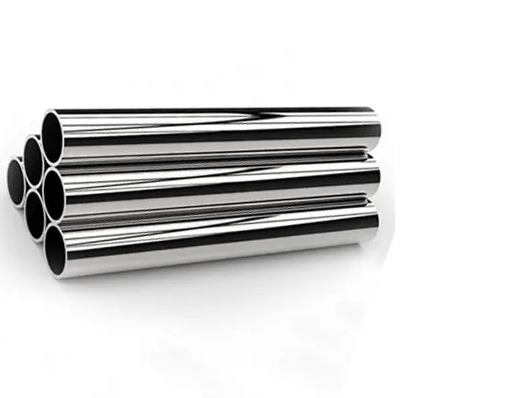
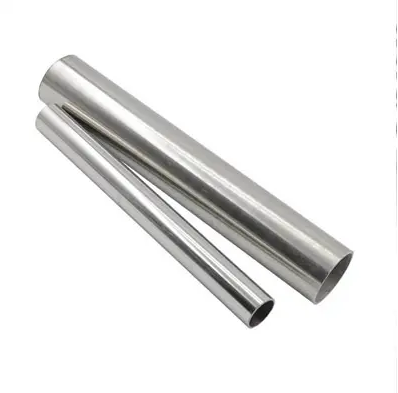
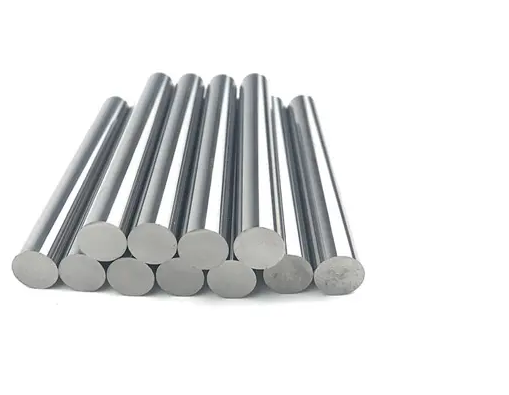
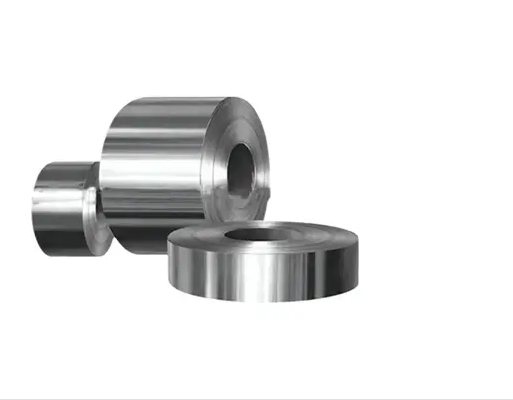
We provide you with a variety of product forms, including but not limited to.
● Strips & Tape
● Wire & Welding
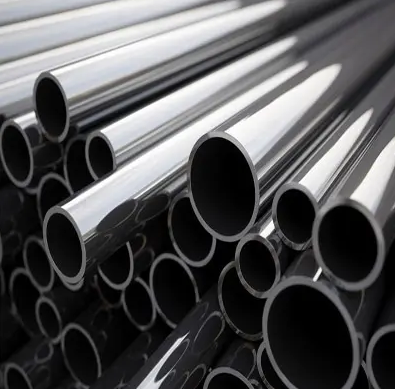
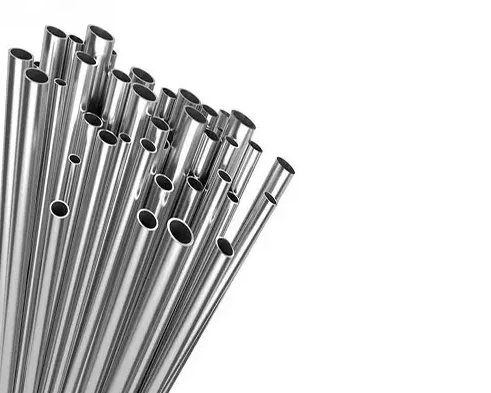
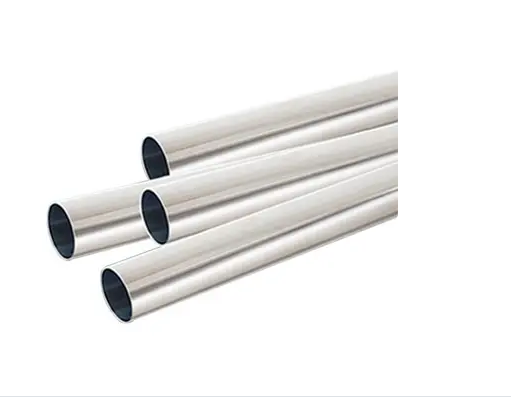
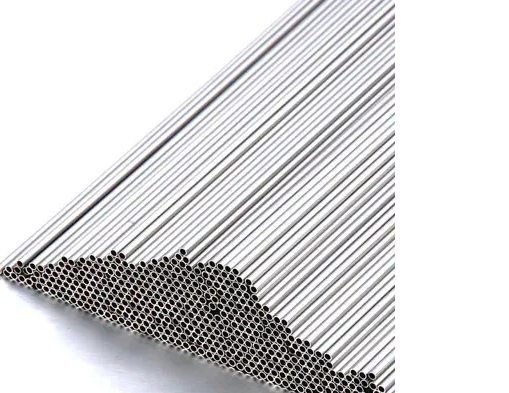
● Pipe & Tube
● Sheet & Foils
● Flanges & Forgins
FAQ
Q1. What is your terms of Packing?
A: Generally we pack your goods with Neutral English bag, PP Woven bag with PE inner bag. If you have your own legally registered sack design, we can pack your goods with your brand and design bags after getting your authorization letter.
Q2. What is your terms of payment?
A: Normally 30% TT as deposit in advance, and 70% TT after email the copy of BL. Or LC at sight. We'll show you the photos pf your goods and package before you arrange the payment.
Q3. What is your terms of delivery?
A: Normally we do FOB, CFR, CIF terms.
Q4. How about your delivery date?
A: Normally it will takes 10~15 days after receive the deposit. The specific delivery time depends on the items and the quantity of the order.
Q5. Can you produce according to the sample?
A: Yes, we can produce by your samples or the specification you provide.
CONTACT US
PRODUCT RECOMMENDATION
 NILO 4J36 Tube Pipe UNS K93600 & K93601/W. Nr.1.3912 Ultra-low expansion iron-nickel alloy Tube Pipe
Learn More
 Tube Pipe /UNS N14080,GB/T 32286.1-2015 Tube Pipe") Permalloy Alloy 80(1J79) Tube Pipe /UNS N14080,GB/T 32286.1-2015 Tube Pipe
Permalloy Alloy 80(1J79) Tube Pipe /UNS N14080,GB/T 32286.1-2015 Tube PipeLearn More
 Su Permalloy 1J85 /UNS N14080,GB/T 32286.1-2015 Bar Tube Pipe Wire
Learn More
/Russia 50H/1J50 Tube Pipe") NiFe Alloy 50 Tube Pipe (1J50)/Russia 50H/1J50 Tube Pipe
NiFe Alloy 50 Tube Pipe (1J50)/Russia 50H/1J50 Tube PipeLearn More
/UNS K94610/W. Nr.1.3981 ASTM F15 Tube Pipe") Kovar Alloy 29 Tube Pipe (4J29)/UNS K94610/W. Nr.1.3981 ASTM F15 Tube Pipe
Kovar Alloy 29 Tube Pipe (4J29)/UNS K94610/W. Nr.1.3981 ASTM F15 Tube PipeLearn More
/ Supermendur /1J22/ Permendur/49КФ/AFK502/Co50V2-1 Tube Pipe") Hiperco 50 Tube Pipe (1J22)/ Supermendur /1J22/ Permendur/49КФ/AFK502/Co50V2-1 Tube Pipe
Hiperco 50 Tube Pipe (1J22)/ Supermendur /1J22/ Permendur/49КФ/AFK502/Co50V2-1 Tube PipeLearn More
 Super Invar 32-5 Tube Pipe 4J32/K93500/Super Invar Tube Pipe
Learn More
 Super Invar 32-5 Bar Rod 4J32/K93500/Super Invar Bar Rod
Learn More
 Super Invar Strip Ring 32-5/4J32/K93500/Super Invar Strip Ring
Learn More