PRODUCTS
Product Center
Send Us A Message
PRODUCT PARAMETERS
Overview
NIMONIC alloy 263 (UNS N07263/W. Nr. 2.4650 )is an air melted nickel-base alloy to provide a sheet material which could be readily fabricated and would offer improved ductility in welded assemblies to replace NIMONIC alloy 80A.
It was designed as sheet material to meet specific design criteria in terms of proof stress and creep strength. It is now available in all standard forms. The welding techniques for this alloy are similar to those in common use for other age-hardenable nickelbase alloys. During salvage welding operations, a preweld heat-treatment is not necessary on age-hardened assemblies but a subsequent age-hardening treatment is desirable after all salvage welding is completed.
Material will age in service if temperatures are above 750°C.
Limiting Chemical Composition, %
Carbon ..................................................................................................................................................................................0.04--0.08
Silicon.......................................................................................................................................................................................0.4 max.
Manganese...............................................................................................................................................................................0.6 max.
Sulfur.....................................................................................................................................................................................0.007 max.
Silver...................................................................................................................................................................................0.0005 max.
Aluminum...............................................................................................................................................................................0.60 max.
Boron....................................................................................................................................................................................0.005 max.
Bismuth..............................................................................................................................................................................0.0001 max.
Cobalt.................................................................................................................................................................................19.00-21.00
Chromium...........................................................................................................................................................................19.00-21.00
Copper....................................................................................................................................................................................0.20 max.
Iron..........................................................................................................................................................................................0.70 max.
Molybdenum..........................................................................................................................................................................5.60-6.10
Lead......................................................................................................................................................................................0.002 max.
Titanium..................................................................................................................................................................................1.90-2.40
Aluminum and Titanium. .......................................................................................................................................................2.40-2.80
Nickel ........................................................................................................................................................................................Balance.
Physical Constants
Below are some physical constants and thermal properties of
Mechanical properties
Corrosion Resistance
Nimonic 263 has excellent corrosion resistance properties, making it suitable for tough environments like aerospace and marine applications. It maintains its oxidation and corrosion resistance even in sulfuric and hydrochloric acids.
Forming
Nimonic Alloy 263™ has good ductility and can be easily formed using all the conventional methods. This alloy is stronger than regular steel; hence it requires a more powerful equipment to complete the forming process. It is recommended that heavy-duty lubricants should be used while cold forming. At the end of this process, all traces of lubricant has to be cleaned off to prevent embrittlement.
Welding
Nimonic Alloy 263™ can be welded using the traditional welding methods. Some of the commonly used methods are shielded metal-arc welding, gas metal-arc welding, submerged-arc welding, and gas-tungsten arc welding. It is recommended that matching alloy filler metal should be used. Before the welding process begins, the surface to be welded should be cleaned and should be free from oil, paint or crayon stains.
Heat Treatment
NIMONIC alloy 263 is normally given a two-stage heat treatment, that is, solution treatment and age hardening prior to service. This heat treatment is normally carried out in air. Material is usually supplied in the solution treated condition and aged by the customer as part of the fabrication process. Material can however be supplied to any requested heat treatment condition. Details of recommended heat-treatments for various forms are given below, where the time at solution treatment temperature depends on section thickness.
Available Forms
We provide you with a variety of product forms, including but not limited to.
● Strips & Tape
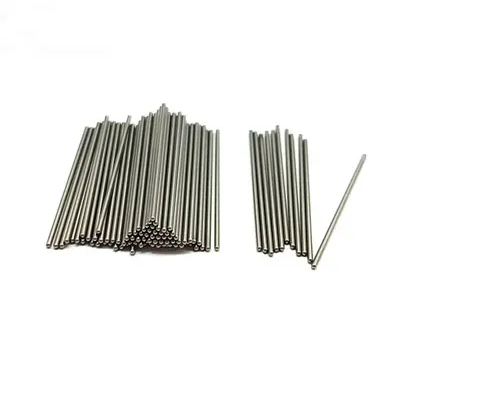
● Wire & Welding
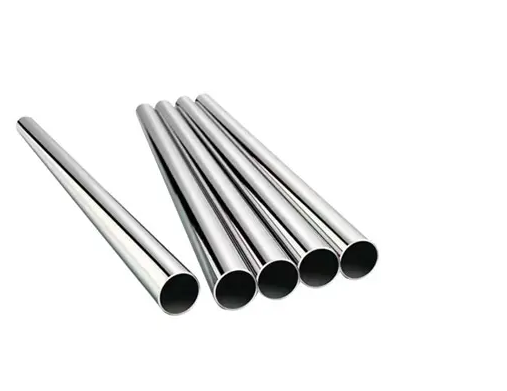
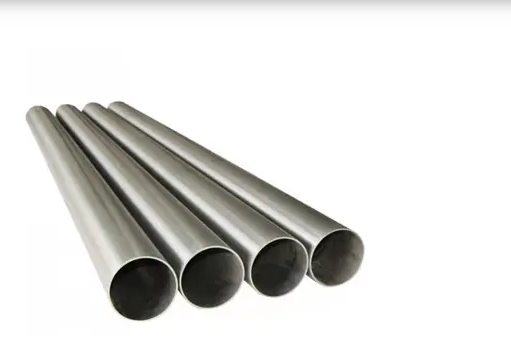
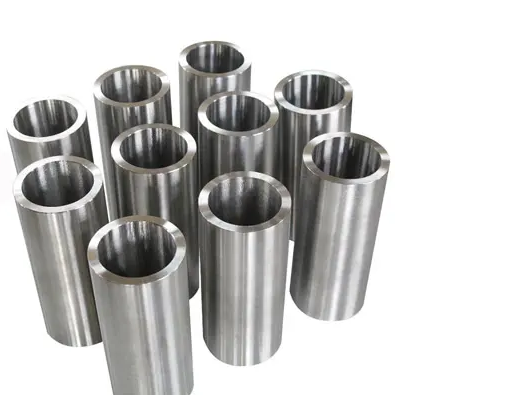
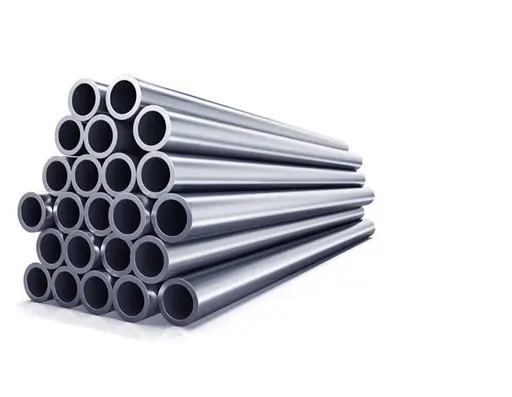
● Pipe & Tube
● Sheet & Foils
● Flanges & Forgins
FAQ
Q1. What is your terms of Packing?
A: Generally we pack your goods with Neutral English bag, PP Woven bag with PE inner bag. If you have your own legally registered sack design, we can pack your goods with your brand and design bags after getting your authorization letter.
Q2. What is your terms of payment?
A: Normally 30% TT as deposit in advance, and 70% TT after email the copy of BL. Or LC at sight. We'll show you the photos pf your goods and package before you arrange the payment.
Q3. What is your terms of delivery?
A: Normally we do FOB, CFR, CIF terms.
Q4. How about your delivery date?
A: Normally it will takes 10~15 days after receive the deposit. The specific delivery time depends on the items and the quantity of the order.
Q5. Can you produce according to the sample?
A: Yes, we can produce by your samples or the specification you provide.
CONTACT US
PRODUCT RECOMMENDATION