PRODUCTS
Product Center
Send Us A Message
‹
›
PRODUCT PARAMETERS
Overview
NIMONIC alloy 115 (W. Nr. 2.4636) is a nickelchromium-cobalt based alloy, strengthened with additions of molybdenum, aluminum and titanium. It was developed as a creep-resisting alloy for service at temperatures up to about 1010°C, as turbine blades for aircraft gas turbines.
Offering superior oxidation resistance and high-temperature strength, the original intended application for this product was in the production of gas turbine blades. Heat treatment of the product is by solution treatment and then ageing.
Limiting Chemical Composition, %
Nickel........................................................................................................................................................................................Balance.
Carbon ...................................................................................................................................................................................0.17 max.
Silicon.....................................................................................................................................................................................1.00 max.
Copper....................................................................................................................................................................................0.20 max.
Iron..........................................................................................................................................................................................1.00 max.
Manganese.............................................................................................................................................................................1.00 max.
Chromium...........................................................................................................................................................................14.00-15.70
Titanium..................................................................................................................................................................................0.90-1.50
Aluminum................................................................................................................................................................................4.50-4.90
Cobalt..................................................................................................................................................................................18.00-22.00
Molybdenum...........................................................................................................................................................................4.50-5.50
Lead....................................................................................................................................................................................0.0015 max.
Sulfur.......................................................................................................................................................................................0.01 max.
Boron.....................................................................................................................................................................................0.003-0.01
Ziconlum.................................................................................................................................................................................0.15 max.
Physical Constants
Below are some physical constants and thermal properties of
Mechanical properties
Corrosion Resistance
Offering superior oxidation resistance and high-temperature strength, the original intended application for this product was in the production of gas turbine blades.
Forming
This alloy has good ductility and may be readily formed by all conventional methods. Because the alloy is stronger than regular steel it requires more powerful equipment to accomplish forming. Heavy-duty lubricants should be used during cold forming. It is essential to thoroughly clean the part of all traces of lubricant after forming as embrittlement of the alloy may occur at high temperatures if lubricant is left on.
Welding
The commonly used welding methods work well with this alloy. Matching alloy filler metal should be used. If matching alloy is not available then the nearest alloy richer in the essential chemistry (Ni, Co, Cr, Mo) should be used. All weld beads should be slightly convex. It is not necessary to use preheating. Surfaces to be welded must be clean and free from oil, paint or crayon marking. The cleaned area should extend at least 2" beyond either side of a welded joint. Gas-Tungsten Arc Welding: DC straight polarity (electrode negative) is recommended. Keep as short an arc length as possible and use care to keep the hot end of filler metal always within the protective atmosphere. Shielded Metal-Arc Welding: Electrodes should be kept in dry storage and if moisture has been picked up the electrodes should be baked at 600 F for one hour to insure dryness. Current settings vary from 60 amps for thin material (0.062" thick) up to 140 amps for material of 1/2" and thicker. It is best to weave the electrode slightly as this alloy weld metal does not tend to spread. Cleaning of slag is done with a wire brush (hand or powered). Complete removal of all slag is very important before successive weld passes and also after final welding. Gas Metal-Arc Welding: Reverse-polarity DC should be used and best results are obtained with the welding gun at 90 degrees to the joint. For Short-Circuiting-Transfer GMAW a typical voltage is 20- 23 with a current of 110-130 amps and a wire feed of 250-275 inches per minute. For Spray-Transfer GMAW voltage of 26 to 33 and current in the range of 175-300 amps with wire feed rate of 200-350 inches per minute are typical. Submerged-Arc Welding: Matching filler metal, the same as for GMAW, should be used. DC current with either reverse or straight polarity may be used. Convex weld beads are preferred.
Heat Treatment
Nimonic 115™ is solution annealed for 1 ½ 1/2 hours at 1190°C (2175°F), air cooled to 1099°C (2010°F), held for 6 hours at 1099°C (2010°F) and again cooled in air
Forms
We provide you with a variety of product forms, including but not limited to
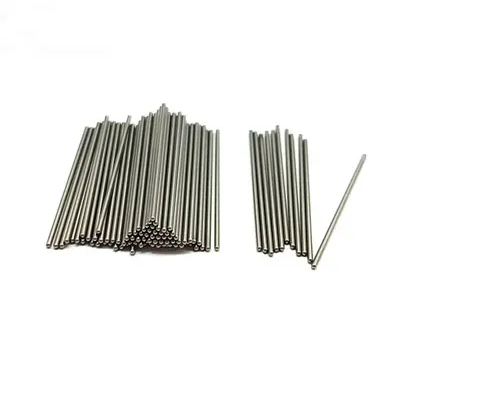
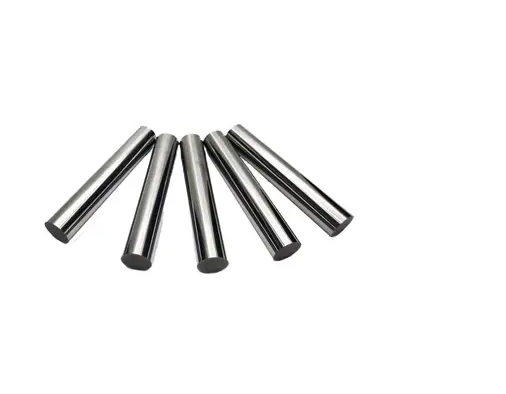
Bar/Rod
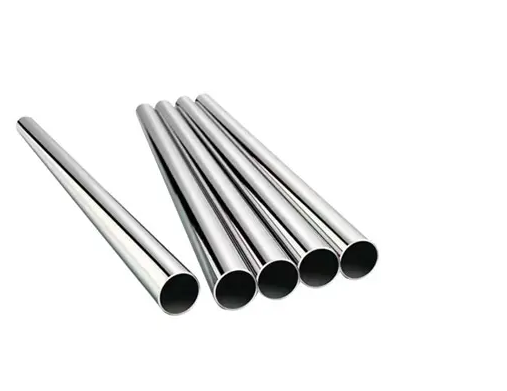
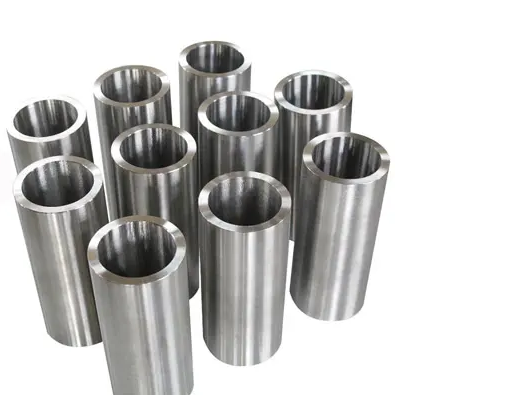
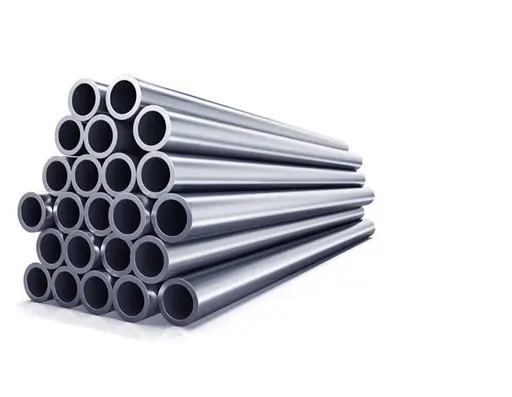
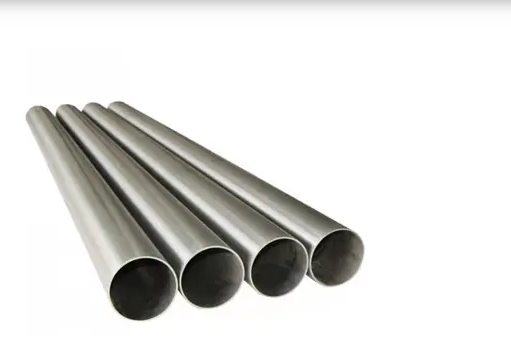
Pipe/Tube
Coil/Strip
Plate/Sheet/Circle
Wire
Fitting (Flange, Elbow, Tee...)
Customize
FAQ
Q1. What is your terms of Packing?
A: Generally we pack your goods with Neutral English bag, PP Woven bag with PE inner bag. If you have your own legally registered sack design, we can pack your goods with your brand and design bags after getting your authorization letter.
Q2. What is your terms of payment?
A: Normally 30% TT as deposit in advance, and 70% TT after email the copy of BL. Or LC at sight. We'll show you the photos pf your goods and package before you arrange the payment.
Q3. What is your terms of delivery?
A: Normally we do FOB, CFR, CIF terms.
Q4. How about your delivery date?
A: Normally it will takes 10~15 days after receive the deposit. The specific delivery time depends on the items and the quantity of the order.
Q5. Can you produce according to the sample?
A: Yes, we can produce by your samples or the specification you provide.
CONTACT US
PRODUCT RECOMMENDATION