Product Center
Send Us A Message
‹
›
PRODUCT PARAMETERS
Overview
Nitronic 50 stainless steel, also known as UNS S20910 and XM-19, is an austenitic stainless steel with a blend of strength and corrosion resistance that is better than Stainless Steels 316, 316/316L, 317, and 317/317L. In fact, XM-19 has twice the yield strength at room temperature compared to Stainless Steels 316/316L and 317/317L. Additionally, it has good mechanical properties at elevated and sub-zero temperatures. Other characteristics that set XM-19 apart from other grades of stainless steel are that it does not become magnetic when severely cold worked and it has outstanding corrosion resistance in harsh environments such as marine applications.
Nitronic 50 is composed of between 20% and 23% chromium, 11% to 13% nickel, 4% to 6% manganese, and 1.5% to 3% molybdenum, with the balance being iron. Also found in Nitronic 50 are trace amounts of carbon, silicon, sulfur, phosphorus, nitrogen, columbium (or niobium) and vanadium. As noted previously, it is much stronger than Stainless Steels 316/316L and 317/317L; however, the same fabrication equipment and procedures used for the Stainless Steel 300 grades can be utilized for Nitronic 50. In addition, the same cooling techniques used for Stainless Steels 316/316L and 317/317L can be utilized for Nitronic 50.
Nitronic 50 can be a confusing alloy to work with, as there are three different types of conditions used for numerous applications. The three conditions are annealed, as-rolled and high strength. As-rolled is a term used by the mill to state the fact that it is a “rolled” material. All conditions of Nitronic 50 are first rolled. Both the annealed condition and the as-rolled condition are rolled at the same temperature. To acquire Nitronic 50 annealed, the material would first be rolled, followed by either a mill or local annealing process which lowers the tensile and yield properties resulting in a more workable material. On the other hand, transforming Nitronic 50 into the high strength condition can only be done at the mill after the original rolling process, which is done at a lower temperature than annealed and as-rolled material to further help increase the properties. Then high strength material is rolled a second time and later cold worked, which again increases the physical properties of the material even more.
Limiting Chemical Composition, %
Nickel..................................................................................................................................................................................11.50-13.50
Chromium...........................................................................................................................................................................20.50-23.50
Manganese.............................................................................................................................................................................4.00-6.00
Carbon.....................................................................................................................................................................................0.06 max.
Silicon......................................................................................................................................................................................1.00 max.
Sulphur....................................................................................................................................................................................0.01 max.
Phosphorus.............................................................................................................................................................................0.04 max.
Molybdenum............................................................................................................................................................................1.50-3.00
Niobium....................................................................................................................................................................................0.10-0.30
Vanadium.................................................................................................................................................................................0.10-0.30
Nitrogen....................................................................................................................................................................................0.20-0.40
Physical properties
Mechanical Properties
Corrosion resistance
Nitronic 50 stainless steel provides outstanding corrosion resistance superior to Types 316, 316L, 317, and 317L in many media. For many applications, the 1950 °F ( 1066 °C) annealed condition provides adequate corrosion resistance and a higher strength level. In very corrosive media or where material is to be used in the as-welded condition, the 2050 °F (1121 °C) annealed condition should be specified. High-Strength (HS) Nitronic 50 bars are useful for applications such as shafting and bolting, but do not quite exhibit the corrosion resistance of the annealed conditions in all environments.
Nitronic 50 stainless steel exhibits good corrosion resistance to a variety of media. Pitting resistance, as measured by tests in 10% FeCl3 solution, is better than Type 304. In sulfuric acid and hydrochloric acid, N50 is much better than Types 409 and 410 and approaches Type 304 in more dilute solutions.
Heat treatment
Final annealing process performed for several of the applications, is done at 1065°C (1950°F), which is followed by water quenching. In case this material is used in a strongly corrosive environment, annealing should be done at 1121°C (2050°F). This alloy cannot be hardened by heat treatment.
Available Forms
We provide you with a variety of product forms, including but not limited to
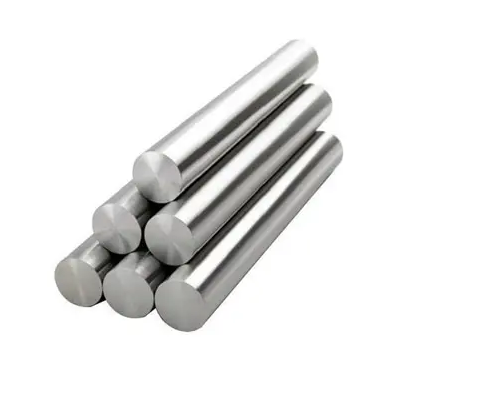
● Bar & Rod
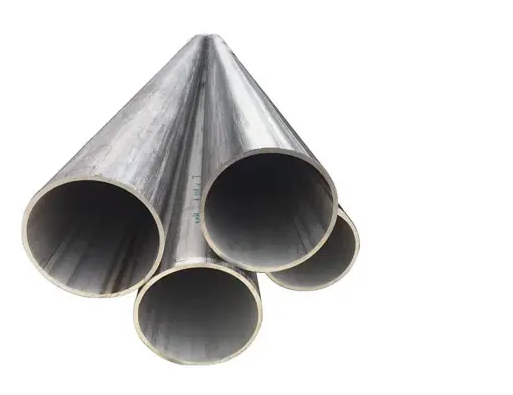
● Pipe & Tube
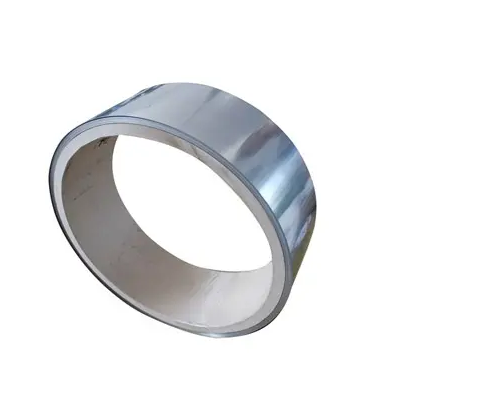
● Coil & Strip
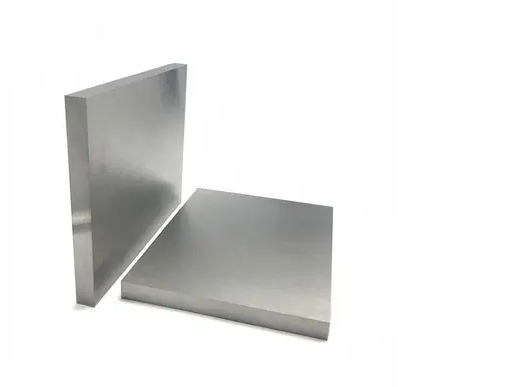
● Plate & Sheet & Circle
● Wire & Welding
● Fitting (Flange, Elbow, Tee...)
● Customize
FAQ
Q1. What is your terms of Packing?
A: Generally we pack your goods with Neutral English bag, PP Woven bag with PE inner bag. If you have your own legally registered sack design, we can pack your goods with your brand and design bags after getting your authorization letter.
Q2. What is your terms of payment?
A: Normally 30% TT as deposit in advance, and 70% TT after email the copy of BL. Or LC at sight. We'll show you the photos pf your goods and package before you arrange the payment.
Q3. What is your terms of delivery?
A: Normally we do FOB, CFR, CIF terms.
Q4. How about your delivery date?
A: Normally it will takes 10~15 days after receive the deposit. The specific delivery time depends on the items and the quantity of the order.
Q5. Can you produce according to the sample?
A: Yes, we can produce by your samples or the specification you provide.
CONTACT US
PRODUCT RECOMMENDATION
 F55 Tube Pipe UNS S32670/W.Nr 1.4501 super duplex stainless steel Tube Pipe
Learn More
 High-performance Nitronic 60 Bar Rod UNS S21800/Alloy 218 stainless steel Bar Rod
Learn More
 Nitronic 50 Strip Ring UNS S20910/XM-19 nitrogen-strengthened austenitic stainless steel Strip Ring
Learn More
 904L Tube Pipe UNS N08904/W.Nr:1.4539 stainless steel Tube Pipe
Learn More
 17-4PH Tube Pipe UNS S17400/W.Nr:1.4542 stainless steel Tube Pipe
Learn More
 AL-6XN Sheet Plate UNS N08367 Stainless steel Sheet Plate
Learn More