PRODUCTS
Product Center
Send Us A Message
‹
›
PRODUCT PARAMETERS
Overview
MONEL alloy K-500 (UNS N05500/ W.Nr. 2.4375) is a nickel-copper alloy which combines the excellent corrosion resistance of MONEL alloy 400 with the added advantages of greater strength and hardness. The increased properties are obtained by adding aluminum and titanium to the nickel-copper base, and by heating under controlled conditions so that submicroscopic particles of Ni3 (Ti, Al) are precipitated throughout the matrix. The thermal processing used to effect precipitation is commonly called age hardening or aging.
Typical applications for MONEL alloy K-500 products are chains and cables, fasteners and springs for marine service; pump and valve components for chemical processing; doctor blades and scrapers for pulp processing in paper production; oil well drill collars and instruments, pump shafts and impellers, non-magnetic housings, safety lifts and valves for oil and gas production; and sensors and other electronic components.
A useful characteristic of the alloy is that it is virtually nonmagnetic, even at quite low temperatures . It is possible, however, to develop a magnetic layer on the surface of the material during processing. Aluminum and copper may be selectively oxidized during heating, leaving a magnetic nickel-rich film on the outside of the piece. The effect is particularly noticeable on thin wire or strip where there is a high ratio of surface to weight. The magnetic film can be removed by pickling or bright dipping in acid, and the nonmagnetic properties of the material will be restored.
The combination of low magnetic permeability, high strength and good corrosion resistance has been used to advantage in a number of applications, notably oil-well surveying equipment and electronic components.
MONEL alloy K-500 has been found to have exceptionally good dimensional stability, both in long-time exposure tests and in cyclic tests. Results are shown in Table 5. This property of the alloy has led to its use in high-precision devices, such as gyros.
Age hardening causes an initial volume contraction. An annealed rod contracted 2.5 x 10⁻⁴ in. per in. during aging
Limiting Chemical Composition, %
Nickel (plus Cobalt).................................................................................................................................................................................................63.00 min.
Carbon.......................................................................................................................................................................................................................0.25 max.
Manganese...............................................................................................................................................................................................................1.50 max.
Iron............................................................................................................................................................................................................................2.00 max.
Sulfur.........................................................................................................................................................................................................................0.01 max.
Silicon.......................................................................................................................................................................................................................0.50 max.
Copper...................................................................................................................................................................................................................27.00-33.00
Aluminum..................................................................................................................................................................................................................2.30-3.15 Titanium....................................................................................................................................................................................................................0.35-0.85
Physical Constants
Mechanical properties
The low-temperature properties of MONEL alloy K-500 are outstanding. Tensile and yield strengths increase with decrease in temperature while ductility and toughness are virtually unimpaired. No ductile-to-brittle transformation occurs even at temperatures as low as that of liquid hydrogen. Thus the alloy is suitable for many cryogenic applications.
Welds can be produced with the strength of agehardened base metal with no serious loss in ductility if aging treatments are performed after welding annealed material. Welding of age-hardened material should be avoided because of greatly reduced ductility.
Tensile Properties
Corrosion Resistance
The corrosion resistance of MONEL alloy K-500 is substantially equivalent to that of alloy 400 except that, when in the age-hardened condition, alloy K-500 has a greater tendency toward stress-corrosion cracking in some environments.
MONEL alloy K-500 has been found to be resistant to a sour-gas environment. After 6 days of continuous immersion in saturated (3500 ppm) hydrogen sulfide solutions at acidic and basic pHs (ranging from 1.0 to 11.0), U-bend specimens of age-hardened sheet showed no cracking. Hardness of the specimens ranged from 28 to 40 Rc.
The combination of very low corrosion rates in highvelocity sea water and high strength make alloy K-500 particularly suitable for shafts of centrifugal pumps in marine service. In stagnant or slow-moving sea water, fouling may occur followed by pitting, but this pitting slows down after a fairly rapid initial attack.
Thermal Treatments
Two types of annealing procedures are performed on MONEL alloy K-500: solution annealing and process annealing. The treatments are different in both their purpose and procedure.
Solution Annealing - MONEL alloy K-500 is hardened by the formation of submicroscopic particles of a secondary phase, Ni3(Ti,Al). Formation of the particles takes place as a solid state reaction during an age-hardening (or precipitation-hardening) heat treatment. Prior to the aging treatment, the alloy component should be solution-annealed to dissolve any phases that may have formed in the alloy during previous processing. Solution annealing is normally performed by heating hot-finished products to 1800°F and cold-worked products to 1900°F. To avoid excessive grain growth, time at temperature should be kept to a minimum (normally, less than 30 minutes). Heating (ramp) and cooling times must be kept to a minimum to avoid precipitation of detrimental phases. Cooling after solution annealing is normally accomplished by quenching in water.
Process Annealing - During mechanical processing in production and subsequent forming of alloy K-500 products, intermediate process annealing may be required to soften the product. Such anneals recrystallize the structure and are typically conducted at temperatures between 1400°-1600 °F.
While higher temperatures will anneal the product, intermediate process annealing temperatures are limited to avoid excessive grain growth. Time at temperature must be limited to avoid the formation of secondary phases which can compromise the hardness of the aged alloy K-500 product.
Holding for one hour after the part has reached the set temperature and equalized is normally sufficient to soften the alloy product during processing. The user is cautioned that exposure at temperature for times greater than 1.5 hours is not recommended. Excessive exposure can result in the formation of titanium carbide (TiC). This compound is stable at the aging temperatures used to harden alloy K-500 such that the titanium cannot participate in the hardening reaction, the formation of Ni3(Ti,Al). Thus, the strength and hardness can be compromised.
Obviously, it is best to avoid the formation of the titanium carbide phase. If, however, the phase is formed as a result of improper processing, solution annealing at 2050°F for 30 minutes is required to dissolve the particles. It should be noted that this heat treatment will result in a large grain size which can somewhat compromise formability. However, the high-temperature solution treatment is necessary if the component is to develop full hardness and strength during the aging treatment.
The Federal Standard for alloy K-500, QQ-N-286, addresses only solution annealing. In-process annealing is left to the discretion of the heat treater. The stated solution annealing temperature range in Revision F is 1600° to 1900°F. Thus, if an alloy K-500 component must be solution annealed at 2050°F because of the presence of titanium carbide, it must subsequently be reduced in section thickness before final heat treatment (solution annealing + age hardening) to comply with the requirements of the specification. Revision G has amended the solution annealing requirement to a minimum annealing temperature of 1600°F. Thus, material solution-annealed at 2050°F can be aged without further reduction in section thickness and is acceptable if it meets the other requirements of the specification (mechanical properties, etc.)
Available Forms
We provide you with a variety of product forms, including but not limited to
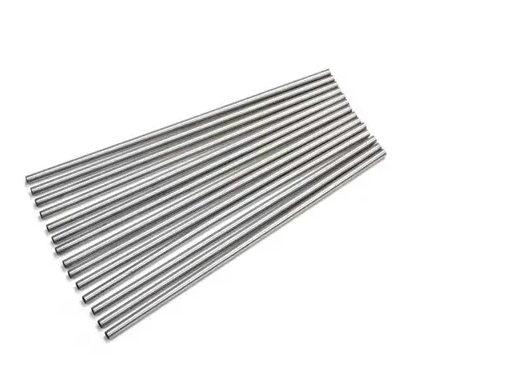
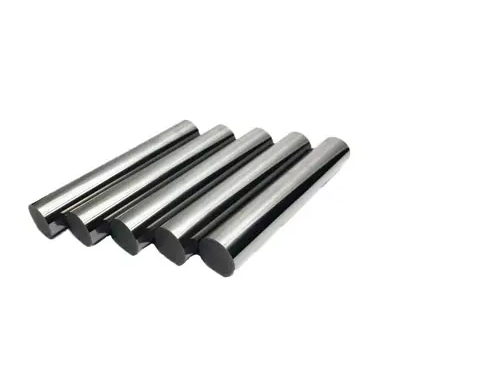
● Bar & Rod
● Pipe & Tube
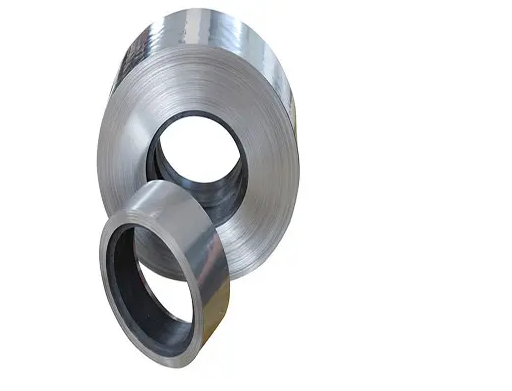
● Coil & Strip
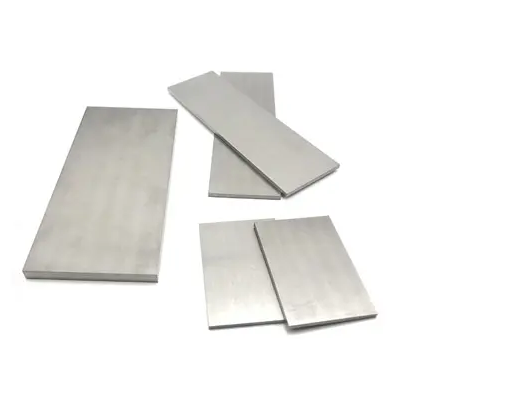
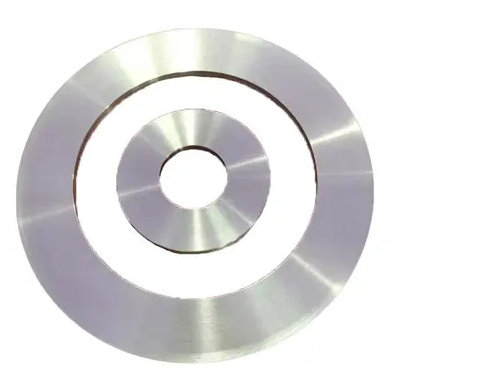
● Plate & Sheet & Circle
● Wire & Welding
● Fitting (Flange, Elbow, Tee...)
● Customize
FAQ
Q1. What is your terms of Packing?
A: Generally we pack your goods with Neutral English bag, PP Woven bag with PE inner bag. If you have your own legally registered sack design, we can pack your goods with your brand and design bags after getting your authorization letter.
Q2. What is your terms of payment?
A: Normally 30% TT as deposit in advance, and 70% TT after email the copy of BL. Or LC at sight. We'll show you the photos pf your goods and package before you arrange the payment.
Q3. What is your terms of delivery?
A: Normally we do FOB, CFR, CIF terms.
Q4. How about your delivery date?
A: Normally it will takes 10~15 days after receive the deposit. The specific delivery time depends on the items and the quantity of the order.
Q5. Can you produce according to the sample?
A: Yes, we can produce by your samples or the specification you provide.
CONTACT US
PRODUCT RECOMMENDATION